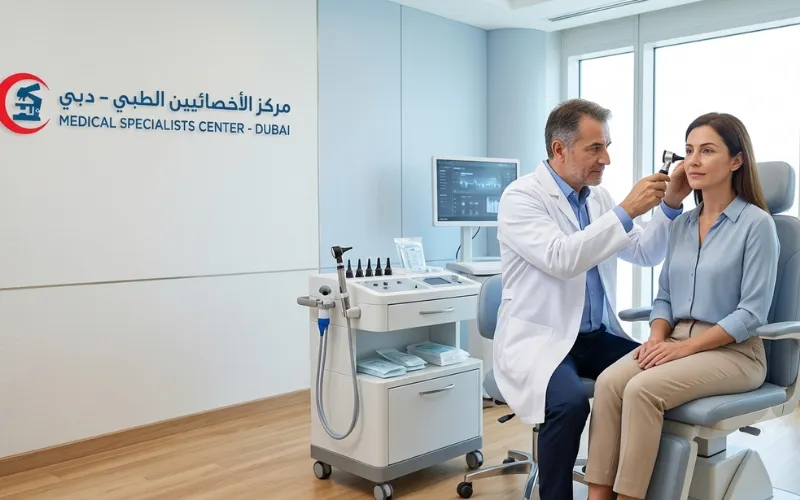
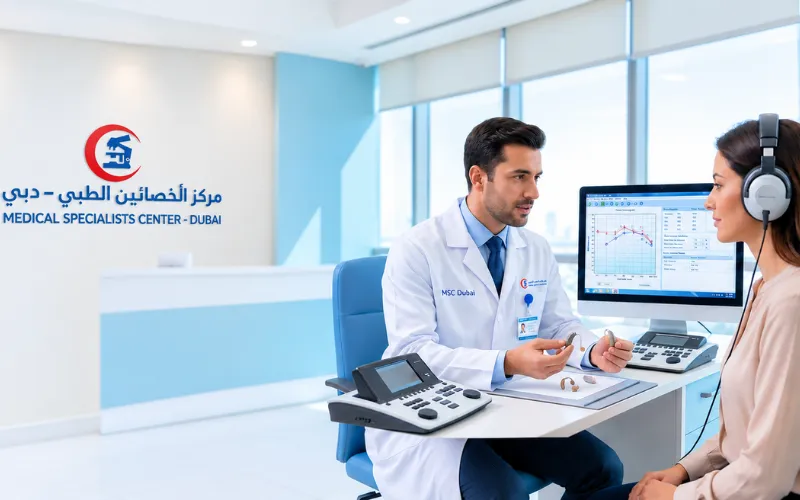
Difficulty following conversations. Frequently increasing the television volume. Ringing sounds inside the ears that appear without warning. These changes may seem small, but sometimes they indicate an underlying hearing problem.
Hearing plays an important role in communication, learning, social interaction, and everyday activities. When hearing becomes affected, even simple conversations can become challenging.
In Dubai, regular exposure to loud environments, prolonged headphone use, ear infections, and age-related changes can contribute to different hearing concerns. Children may also experience hearing difficulties that affect speech development and learning.
Audiology focuses on evaluating, diagnosing, and managing hearing and balance-related conditions. Through appropriate hearing assessments and specialised diagnostic procedures, audiology professionals can help identify problems and recommend suitable care.
Understanding the importance of hearing assessments can help individuals recognise early symptoms and seek professional attention before difficulties begin affecting everyday life.
Why Is Audiology Important for Your Hearing Health?
Audiology is a healthcare field dedicated to understanding hearing, balance, and related disorders.
Audiologists assess how effectively the ears detect sounds and how the auditory system processes information. Their work may involve hearing evaluations, diagnostic testing, rehabilitation, and guidance regarding hearing devices.
Hearing problems can develop gradually or appear suddenly. Some individuals experience difficulty understanding speech, while others notice ringing sounds, dizziness, or reduced hearing in one ear.
According to the World Health Organization, more than 1.5 billion people worldwide live with some degree of hearing loss. Early identification and appropriate rehabilitation can help reduce its impact on communication and quality of life.
Regular hearing assessments are particularly important for people experiencing symptoms, children with developmental concerns, older adults, and individuals exposed to occupational noise.
7 Common Signs You May Need a Hearing Assessment
1. Frequently Asking People to Repeat Themselves
One of the earliest signs of hearing difficulty is struggling to understand everyday conversations.
You may hear someone speaking but find it difficult to understand particular words, especially in crowded places or noisy environments.
This can happen when certain sound frequencies become harder to detect.
If you regularly ask people to repeat themselves, a professional hearing assessment can help determine whether hearing loss is contributing to the problem.
2. Increasing the Television or Mobile Volume
Another common warning sign is gradually increasing the volume of televisions, phones, or other electronic devices.
Family members may notice that the volume seems unusually loud even when it feels comfortable to you.
This change can develop gradually, making it difficult to recognise independently.
A hearing test can evaluate sound sensitivity across different frequencies and help identify possible hearing difficulties.
3. Ringing or Buzzing Sounds in the Ears
Tinnitus refers to hearing sounds without an external source.
These sounds may include:
- Ringing.
- Buzzing.
- Humming.
- Whistling.
- Hissing.
Tinnitus can occur alongside hearing loss, noise exposure, earwax blockage, and other medical conditions.
Although occasional tinnitus may not indicate a serious problem, persistent or disruptive symptoms deserve professional evaluation.
4. Difficulty Hearing in Crowded Environments
Restaurants, shopping centres, offices, and public spaces often contain several competing sounds.
People with hearing difficulties may struggle to separate conversations from background noise.
This can make social interactions tiring and uncomfortable.
A comprehensive audiological assessment can help identify hearing difficulties and evaluate how they affect speech understanding.
5. Dizziness and Balance Problems
The inner ear contains structures involved in maintaining balance and spatial orientation.
When these structures become affected, some individuals experience dizziness, vertigo, or unsteadiness.
Possible symptoms include:
- A spinning sensation.
- Difficulty maintaining balance.
- Feeling unsteady while walking.
- Dizziness during head movements.
- Nausea associated with vertigo.
Not all balance problems originate in the inner ear. A suitable medical assessment can help identify the possible cause.
6. Delayed Speech Development in Children
Hearing plays an essential role in childhood speech and language development.
Children who cannot hear sounds clearly may experience difficulties recognising words, following instructions, or developing communication skills.
Parents may notice that a child:
- Does not respond consistently to sounds.
- Has delayed speech development.
- Frequently misunderstands instructions.
- Turns one ear towards speakers.
- Shows limited responses to their name.
Early hearing evaluation is important because identifying hearing difficulties can help children receive appropriate support during important developmental stages.
7. Difficulty Hearing During Phone Conversations
Some people notice hearing difficulties first when speaking on the telephone.
Without facial expressions or visual cues, understanding speech may become more challenging.
You may frequently switch ears, increase the volume, or misunderstand certain words.
These changes can indicate a need for professional hearing evaluation, particularly when they occur repeatedly.
Sudden hearing loss in one or both ears requires urgent medical attention and should never be treated as an ordinary hearing problem.
What Are the Common Causes of Hearing Loss?
Hearing difficulties can develop for several reasons. The underlying cause may involve the outer ear, middle ear, inner ear, or auditory nerve pathways.
Common contributing factors include:
- Age-related changes in hearing.
- Prolonged exposure to loud sounds.
- Ear infections.
- Impacted earwax.
- Eardrum damage.
- Certain medications that affect hearing.
- Genetic or congenital conditions.
- Inner-ear disorders.
Some causes may be treatable, while others require long-term hearing management.
Identifying the source of the problem is therefore essential before selecting an appropriate treatment approach.
5 Important Audiology Tests Used to Assess Hearing
Different diagnostic procedures help evaluate specific parts of the auditory system.
1. Pure-Tone Audiometry
Pure-tone audiometry measures hearing sensitivity across different sound frequencies.
During the assessment, patients listen to sounds through headphones and indicate when they can hear them.
The results are recorded on an audiogram, helping determine the degree and pattern of hearing loss.
2. Tympanometry
Tympanometry evaluates middle-ear function by measuring how the eardrum responds to changes in air pressure.
It can help identify conditions such as fluid behind the eardrum, eardrum movement problems, and certain middle-ear abnormalities.
3. Otoacoustic Emissions (OAE)
OAE testing evaluates the function of the cochlea, particularly its outer hair cells.
A small probe is placed inside the ear canal to deliver sounds and measure the responses produced by the inner ear.
This test is commonly used in newborn and infant hearing screening, as well as selected diagnostic assessments.
4. Auditory Brainstem Response (ABR)
ABR testing evaluates electrical responses along the auditory nerve and brainstem pathways following sound stimulation.
Small electrodes are placed on the head to record these responses.
It can be particularly useful when assessing infants or individuals who cannot reliably participate in conventional hearing tests.
5. Vestibular Testing
Vestibular testing evaluates the inner-ear structures and pathways involved in maintaining balance.
It may be recommended for individuals experiencing recurring dizziness, vertigo, or balance difficulties.
The specific test depends on the patient’s symptoms and suspected condition.
How Can You Protect Your Hearing?
Healthy listening habits can help reduce the risk of avoidable hearing damage.
Consider following these practical recommendations:
1. Control Headphone Volume: Avoid listening to music at excessively high volumes for extended periods.
2. Take Listening Breaks: Give your ears regular breaks from headphones and noisy environments.
3. Use Hearing Protection: Wear suitable earplugs or protective equipment in loud workplaces and entertainment environments.
4. Avoid Self-Cleaning Methods: Do not insert cotton buds or sharp objects into your ear canals.
5. Manage Ear Infections: Seek medical advice when experiencing persistent ear pain, discharge, or hearing changes.
6. Schedule Hearing Assessments: Consider professional evaluation when symptoms develop or when you have relevant risk factors.
7. Follow Medical Guidance: If hearing aids or other rehabilitation options are recommended, follow the appropriate fitting and follow-up advice.
Protecting your hearing early can help maintain communication and everyday quality of life.
When Should You Consult an Audiology Specialist?
Hearing changes should not automatically be considered a normal part of ageing.
Consider arranging a hearing assessment if you experience:
- Persistent difficulty understanding conversations.
- Ringing or buzzing in the ears.
- Reduced hearing in one or both ears.
- Repeated ear-related concerns.
- Difficulty hearing in noisy environments.
- Balance problems or recurring dizziness.
- Speech or hearing development concerns in children.
Sudden hearing loss requires urgent medical assessment, ideally the same day. Do not wait for a routine appointment or assume that the problem will resolve on its own.
A professional evaluation can help determine whether you need medical treatment, hearing rehabilitation, or further diagnostic investigations.
Get Professional Hearing Care at MSC Dubai – Audiology in Al Mina
Hearing health deserves attention at every stage of life. From childhood hearing assessments to age-related hearing changes and balance-related concerns, timely evaluation can help identify problems and support better communication.
At Medical Specialists Center (MSC Dubai), the Audiology Department at Al Mina provides specialised hearing and balance assessments for patients with different audiological needs.
The department offers diagnostic procedures including:
- Pure-Tone Audiometry.
- Tympanometry.
- Otoacoustic Emissions (OAE).
- Auditory Brainstem Response (ABR).
- Vestibular Testing.
Depending on the assessment findings, management options may include personalised hearing aids, cochlear implant-related care, tinnitus management, and balance rehabilitation.
Special Hearing Care Package – AED 400
MSC Dubai also offers a dedicated Hearing Care Package for AED 400, available at the Al Mina Branch.
The package includes:
- ENT Specialist Consultation.
- Audiology Hearing Test.
Whether you are experiencing difficulty hearing conversations, persistent ringing, or simply want a professional hearing assessment, this package offers an opportunity to discuss your concerns with the medical team.
Take the first step towards better hearing and clearer communication.
Book your Hearing Care Package at MSC Dubai for AED 400 today.
📍 Medical Specialists Center – Al Mina Branch
Dubai Real Estate Centre Building, First Floor – 101, Al Mina Road, next to Capitol Hotel, Dubai.
📞 Call: +971 4 345 4040
📱 Mobile: +971 50 559 3833
📧 Email: info@msc-dubai.com
🌐 Audiology Services: https://msc-dubai.com/services/audiology/
Explore the Hearing Care Package: https://msc-dubai.com/packages/hearing-care-package/
Your hearing connects you with the people and experiences around you. Give it the attention it deserves through professional assessment and appropriate hearing care.