
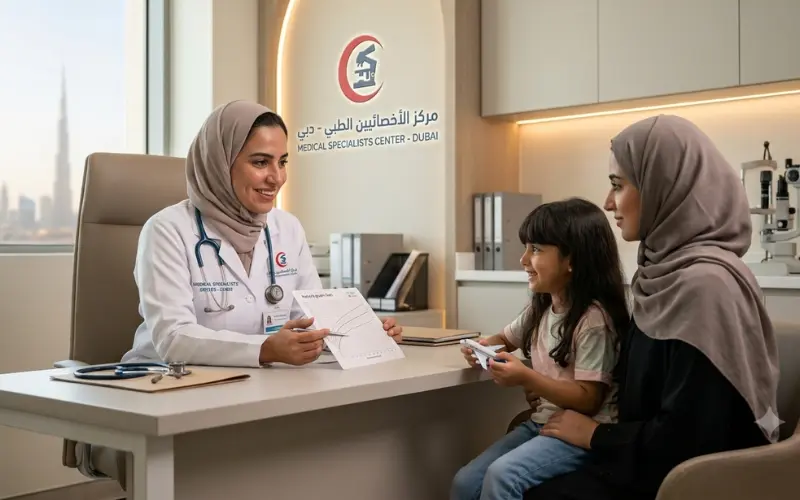
Children in Dubai grow up in a unique environment: air-conditioned homes and classrooms, busy school schedules, indoor play during the hotter months, and frequent exposure to other children. As parents, it is natural to want to protect your child from every cough, cold, and infection.
But could some everyday habits be affecting your child’s health?
The answer is more nuanced than social media health advice often suggests. Parents do not “weaken” a child’s immune system simply by making ordinary parenting choices. However, certain habits—including inadequate sleep, an unbalanced diet, unnecessary antibiotic use, and incomplete vaccinations—can affect a child’s health and their ability to respond to infections.
The goal is not to create fear or expect your child to avoid every illness. Children encounter infections as their immune systems develop. The focus should be on supporting healthy development, recognising preventable risks, and knowing when medical advice is needed.
Here are some common parenting habits worth reviewing if you live in Dubai.
1. Not Getting Enough Sleep
Sleep is essential for a child’s growth, development, mood, learning, and overall health. When children consistently sleep less than they need, it can affect their ability to function well during the day and may influence immune regulation.
Dubai’s busy lifestyle can make healthy sleep routines challenging. School timings, homework, extracurricular activities, screen use, and late family schedules can all push bedtime later.
Children need different amounts of sleep depending on their age. According to the American Academy of Sleep Medicine’s recommendations:
- Infants aged 4–12 months: Approximately 12–16 hours, including naps
- Children aged 1–2 years: Approximately 11–14 hours, including naps
- Children aged 3–5 years: Approximately 10–13 hours, including naps
- Children aged 6–12 years: Approximately 9–12 hours
- Teenagers aged 13–18 years: Approximately 8–10 hours
These figures include naps where applicable.
What can parents do?
Try to establish a consistent sleep and wake-up schedule, including on weekends where practical. Reduce screen use before bedtime, create a comfortable sleeping environment, and allow enough time for your child to wind down.
If your child snores regularly, has disrupted sleep, or remains unusually tired despite getting enough time in bed, discuss the concern with a paediatrician.
2. Relying on Supplements Instead of a Balanced Diet
There is no single food, drink, or supplement that can guarantee protection from infections.
Children need a varied diet to support normal growth and provide nutrients involved in immune function. This includes a combination of fruits, vegetables, whole grains, protein sources, and healthy fats.
Some parents may turn to multivitamins, immunity drinks, or herbal products whenever their child falls ill. However, supplements are not automatically necessary for every child. A healthy child who eats a balanced diet may not need additional vitamins simply to “boost” immunity.
Common dietary habits worth reviewing
- Replacing balanced meals with packaged snacks
- Offering sugary drinks instead of water
- Limiting fruits and vegetables
- Relying heavily on highly processed foods
- Pressuring children to eat beyond their appetite
- Giving supplements without discussing the dose with a healthcare professional
If your child is a selective eater, has poor growth, follows a restrictive diet, or has a suspected nutritional deficiency, a paediatrician can advise whether dietary changes, testing, or supplementation may be appropriate.
The goal is not to make every meal perfect. It is to build consistent, balanced eating habits over time.
3. Spending Too Much Time Indoors
Dubai’s summer temperatures can make outdoor play difficult, but children still benefit from regular physical activity and appropriate outdoor time.
Physical activity supports cardiovascular health, muscle and bone development, coordination, and emotional well-being. Outdoor time can also provide opportunities for movement, play, and exposure to natural light.
Parents do not need to force children to play outside during unsafe heat or poor air-quality conditions. Instead, consider age-appropriate activities at suitable times of day or indoor movement options when outdoor conditions are uncomfortable.
Practical ideas for Dubai families
- Plan outdoor play during cooler hours.
- Choose shaded areas and follow heat-safety measures.
- Encourage active indoor games when temperatures are high.
- Offer swimming or age-appropriate sports with suitable supervision.
- Limit long periods of uninterrupted sitting and screen use.
Outdoor activity is part of a healthy routine, but it should not be presented as a guaranteed way to prevent illness.
4. Missing Recommended Vaccinations
Vaccination is an important part of protecting children against specific infectious diseases. Vaccines train the immune system to recognise particular pathogens and prepare it to respond if exposure occurs.
The UAE has a national childhood immunisation programme, and the UAE Government states that childhood vaccinations are required from birth through Grade 11. Parents should follow the applicable vaccination schedule and seek professional advice if their child has missed a dose.
What if your child has missed a vaccine?
Do not assume that the entire vaccination schedule must be restarted. The appropriate catch-up plan depends on the child’s age, previous doses, vaccine type, and official guidance.
Keep your child’s vaccination records accessible and discuss any missing or delayed doses with a qualified healthcare professional.
Vaccination does not prevent every childhood infection, but it helps protect against the diseases covered by the vaccines and contributes to community protection.
5. Using Antibiotics for Every Fever or Cold
A common misconception is that antibiotics are needed whenever a child has a fever, cough, sore throat, or runny nose.
Many childhood respiratory infections are caused by viruses, and antibiotics do not treat viral infections. Using antibiotics when they are not indicated can expose children to side effects and contribute to antibiotic resistance.
Parents should not start leftover antibiotics, share medication between children, or use a previous prescription for a new illness without medical advice.
A paediatrician can assess your child’s symptoms and determine whether an antibiotic or another treatment may be appropriate.
When should you seek advice?
Arrange a medical assessment if your child has symptoms that are persistent, worsening, unusually severe, or affecting their ability to eat, drink, sleep, or participate in normal activities.
The treatment decision should be based on the child’s clinical condition—not simply on the presence of a fever or the desire for a faster recovery.
6. Overlooking Hand Hygiene and Everyday Infection Prevention
Children naturally explore their surroundings, touch objects, and interact closely with other children. Exposure to germs is a normal part of childhood, and it is not realistic or necessary to eliminate every exposure.
However, simple hygiene habits can help reduce the spread of certain infections.
Teach your child to:
- Wash their hands before eating and after using the toilet.
- Wash their hands after coughing, sneezing, or blowing their nose.
- Cough or sneeze into their elbow or a tissue.
- Avoid sharing bottles, cutlery, and personal items.
- Avoid touching their eyes, nose, and mouth with unwashed hands.
- Tell an adult when they feel unwell.
These habits are particularly relevant when children return to school, where close contact can increase opportunities for respiratory and gastrointestinal infections.
7. Ignoring Ongoing Symptoms Because “Children Get Sick”
Children can experience several infections during their early years, especially when they attend nurseries, schools, and group activities. A cold or mild viral infection does not automatically indicate that a child has a weak immune system.
At the same time, parents should not dismiss persistent or concerning symptoms.
Speak to a paediatrician if your child experiences:
- Repeated or prolonged fevers
- Poor weight gain or growth concerns
- Persistent diarrhoea
- Recurrent infections that are unusually severe
- Frequent hospital admissions due to infections
- Ongoing breathing difficulties
- Unusual tiredness or reduced activity
- Difficulty recovering from an illness
The frequency and severity of infections, the child’s growth, medical history, and recovery pattern all matter. A healthcare professional can determine whether further assessment is needed.
A child getting sick sometimes is not the same as a child having an immune-system disorder.
How Can Dubai Parents Support Their Child’s Health?
Rather than focusing on one “immunity-boosting” product or habit, consider creating a consistent daily routine built around the basics:
- Offer balanced meals and regular access to water.
- Support age-appropriate sleep.
- Encourage regular physical activity.
- Keep recommended vaccinations up to date.
- Teach practical hand and respiratory hygiene.
- Use medication only as advised by a qualified healthcare professional.
- Arrange routine paediatric assessments and monitor growth and development.
- Seek medical advice when symptoms are persistent, severe, or unusual.
You do not have to introduce every change at once. Start with one or two habits that fit your family’s schedule and build from there.
When Should You Take Your Child to a Paediatrician?
Not every cough, cold, or fever requires an emergency visit. However, certain symptoms should be assessed promptly.
Seek urgent medical attention if your child has:
- Difficulty breathing
- Severe dehydration or inability to keep fluids down
- Unusual drowsiness, confusion, or difficulty waking
- A seizure
- Severe or persistent pain
- A concerning rash accompanied by other serious symptoms
- A significant deterioration in their general condition
For babies, young children, and children with underlying medical conditions, seek professional advice when you are concerned about their symptoms or recovery.
A paediatrician can help you understand whether your child’s illness is part of a common childhood pattern or whether further assessment is needed.
Looking for Paediatric Guidance in Dubai?
Supporting your child’s health is not about preventing every infection or finding a product that promises to strengthen immunity. It is about understanding your child’s needs and maintaining healthy routines while seeking medical advice when appropriate.
At Medical Specialists Center (MSC Dubai), parents can contact the team to enquire about available paediatric consultations and discuss concerns related to their child’s health, development, and recurring symptoms.
A healthcare professional can help you understand whether your child needs a routine assessment, further investigations, vaccination guidance, or a review of ongoing symptoms.
Medical Specialists Center Dubai
Al Barsha Branch
- Phone: 04 340 9495
- Mobile: 054 309 7876
- Email: info@msc-dubai.com
- Location: Sheikh Zayed Road, near Mall of the Emirates, opposite Holiday Inn Hotel, Al Barsha 1, Dubai
Contact the MSC Dubai team to enquire about consultation timings and available services.
Parents cannot control every germ their child encounters, and childhood illnesses are often a normal part of growing up. However, everyday habits can support a child’s general health and reduce certain preventable risks.
Adequate sleep, balanced nutrition, regular activity, appropriate vaccination, good hygiene, and timely medical advice all have a role to play.
You do not need to follow every health trend or purchase every product marketed for children’s immunity. Start with the fundamentals, pay attention to your child’s individual needs, and seek professional guidance when something concerns you.
Because supporting your child’s immunity is not about protecting them from every germ—it is about giving their health the right foundation to grow.
Medical disclaimer: This article is intended for general educational purposes and does not replace an individual paediatric consultation. Children’s healthcare needs vary according to age, medical history, symptoms, and development. Speak with a qualified healthcare professional for advice specific to your child.