By Medical Specialists Center (MSC Dubai) | Al Barsha Branch
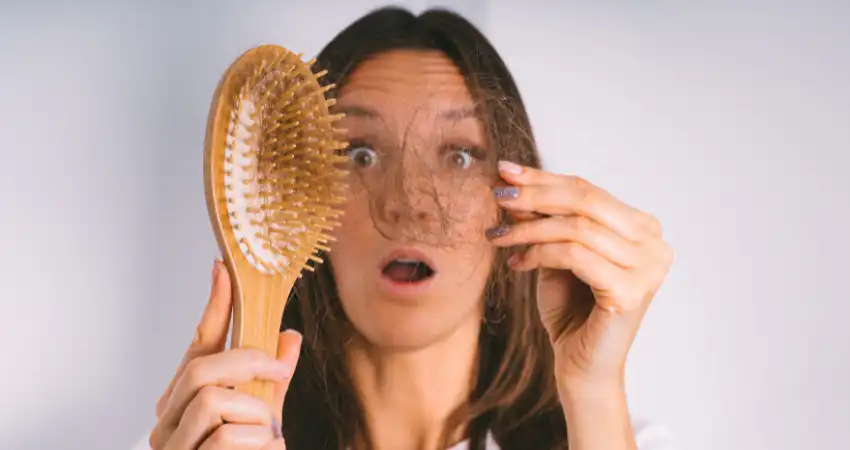
Hair fall is one of the most common concerns among both men and women living in Dubai. Many people notice increased shedding in the shower, thinning hair over time, or dryness and breakage that seems to get worse despite using expensive shampoos and treatments.
While stress, diet, and genetics are often blamed, there is another factor that is frequently overlooked: hard water.
So the question is, can the water you shower with every day actually affect your hair health?
Let’s break it down clearly.
What Is Hard Water?
Hard water is water that contains a high concentration of minerals, mainly calcium and magnesium.
In many regions, including parts of Dubai, water supplied through taps may contain varying levels of these minerals due to desalination processes and mineral exposure during distribution.
While hard water is generally safe to use for bathing and cleaning, it can have an impact on skin and hair over time.
How Hard Water May Affect Your Hair
1. Mineral Buildup on the Scalp
When you wash your hair with hard water, minerals can gradually build up on the scalp and hair shaft.
This buildup may:
- Make hair feel rough and dry
- Reduce natural shine
- Weigh hair down
- Block hair follicles over time
A blocked or unhealthy scalp environment can affect normal hair growth.
2. Dryness and Breakage
Hard water makes it harder for shampoos and conditioners to properly lather and rinse.
As a result, hair may not be cleaned effectively, leaving behind residue that contributes to:
- Dry hair texture
- Increased frizz
- Split ends
- Breakage during combing or styling
Dry and brittle hair is more likely to fall out during everyday activities.
3. Scalp Irritation
Some people may experience scalp sensitivity when exposed to hard water over time.
This can lead to:
- Itching
- Flaking or dandruff-like symptoms
- Mild inflammation
- Discomfort after washing hair
An unhealthy scalp environment can indirectly contribute to hair shedding.
4. Reduced Effectiveness of Hair Products
Hard water can interfere with how hair care products work.
Shampoos may not cleanse properly, and conditioners may not fully penetrate the hair shaft.
This often leads people to switch products frequently without realizing the real issue is the water quality.
Is Hard Water the Only Cause of Hair Fall?
No. Hair fall is usually caused by a combination of factors rather than a single reason.
Some of the most common causes include:
- Genetic hair loss
- Hormonal imbalance
- Stress and lifestyle factors
- Nutritional deficiencies (especially iron, vitamin D, and protein)
- Thyroid disorders
- Post-illness or post-stress shedding
- Excessive heat styling or chemical treatments
Hard water may worsen existing hair issues, but it is rarely the sole cause of significant hair loss.
Signs Your Hair May Be Affected by Hard Water
You may notice:
- Increased hair fall during washing
- Hair feeling rough even after conditioning
- Lack of shine and softness
- Scalp dryness or irritation
- Product buildup that is difficult to remove
- Hair tangling more easily than before
If these symptoms are persistent, it may be worth evaluating both your water exposure and your overall health.
What Can You Do About Hard Water Hair Damage?
1. Use a Clarifying Shampoo
Clarifying shampoos help remove mineral buildup from the scalp and hair.
However, they should be used in moderation to avoid over-drying the hair.
2. Deep Conditioning Treatments
Regular deep conditioning can help restore moisture and improve hair texture affected by dryness and buildup.
3. Scalp Care Routine
Maintaining a healthy scalp is essential for healthy hair growth.
This may include:
- Gentle exfoliation
- Scalp massages to improve blood circulation
- Medicated shampoos if recommended by a doctor
4. Filtered Shower Systems
Some households use shower filters designed to reduce mineral content in water.
While results vary, some individuals report improvement in hair texture and scalp comfort.
5. Nutritional Support
Healthy hair depends heavily on internal nutrition.
Deficiencies in iron, vitamin D, biotin, and protein can contribute to increased hair fall.
A balanced diet and medical supplementation when needed can support stronger hair growth.
When Should You See a Doctor?
Hair fall becomes a concern when:
- Shedding is excessive and persistent
- Hair thinning becomes visible
- Bald patches appear
- Hair loss is accompanied by fatigue, irregular periods, or weight changes
- Over-the-counter treatments are not effective
In these cases, the underlying cause may be medical rather than external.
A proper evaluation can help identify issues such as hormonal imbalance, thyroid disorders, or nutritional deficiencies.
Professional Hair Fall Evaluation at MSC Dubai
At Medical Specialists Center (MSC Dubai), our healthcare professionals assess hair fall from a medical perspective, not just a cosmetic one.
We help identify root causes through detailed consultation and may recommend:
- Blood tests for vitamin and mineral deficiencies
- Hormonal evaluations
- Scalp examination
- Personalized treatment plans
Treatment is always tailored based on your individual condition and health needs.
📞 Call us: 04 340 9495
📍 Visit us: Al Barsha Branch, Sheikh Zayed Road, opposite Holiday Inn Hotel, Al Barsha 1, Dubai
Hair fall is not just about what you see on your comb. It often reflects what is happening inside your body and your environment. The earlier you understand the cause, the easier it is to manage effectively.